 Compare
If you want fast home broadband then the obvious option is full fibre, but an alternative that can almost match that for speed while often being cheaper, available on shorter term plans, and available in different places, is 5G home broadband, for which you’ll need a 5G router.
The simplest way to get a 5G router is to buy a 5G home broadband plan direct from a network, as a router will be bundled in with this, but you can also buy one outright from elsewhere and then put a data SIM in it.
Either way, there are quite a few options to choose from, and below you’ll find the best 5G routers currently available.
The best 5G routers
There are a number of 5G routers available to buy, including some that you can get direct from mobile networks. We’ve highlighted the best options below.
ZTE MC888
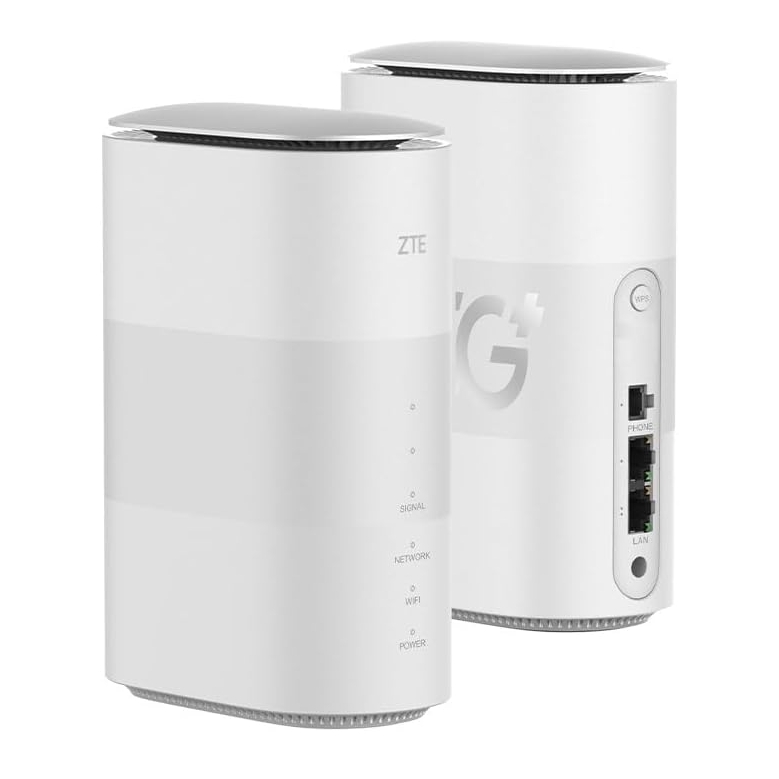
The ZTE MC888 is what Three appears to sell under the guise of the Three 5G Hub (which is what you get when you take out Three 5G Broadband) at the time of writing – though note that the network has switched the supplied model a number of times, so it may do so again.
In any case, the ZTE MC888 can reach speeds of up to 3.8Gbps – or it could if any UK mobile network was capable of that, but this means that it’s future-proofed anyway.
It also has support for 64 device connections, so you can get your whole home online, and it supports Wi-Fi 6, and both 2.4GHz and 5GHz Wi-Fi, as well as having two Ethernet ports for wired connections.


Askey Smart 5G Hub HH70C
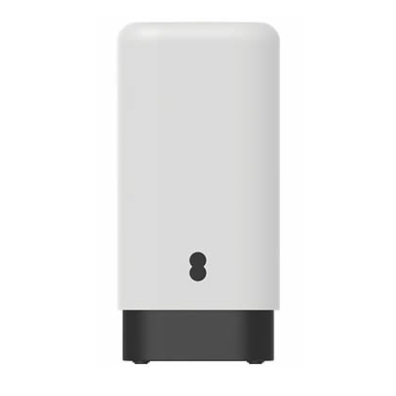
EE’s 5G home broadband solution is the EE Smart 5G Hub 7 Pro, which in its current guise is a rebranded Askey Smart 5G Hub HH70C.
EE itself is light on details of the hardware, though does note that it supports an impressive 100+ simultaneous connections.
The Askey Smart 5G Hub HH70C also supports 2.4GHz, 5GHz, and 6GHz Wi-Fi, and EE claims that you can expect average download speeds of 146Mbps, which should be broadly in line with rivals.


Askey Smart 5G Hub HH72C
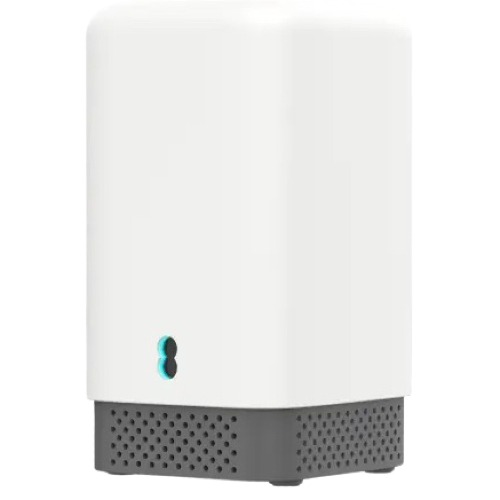
The Askey Smart 5G Hub HH72C is what EE uses for the Smart 5G Hub 7 Plus. Despite the bigger number in the Askey model name though this is actually an older, slightly less capable device than the HH70C above.
Both models support 5G, with EE promising average speeds of 146Mbps and the ability to connect over 100 devices. But the HH72C is dual-band rather than tri-band, though it still supports Wi-Fi 7.
Greenpacket E5-250MA
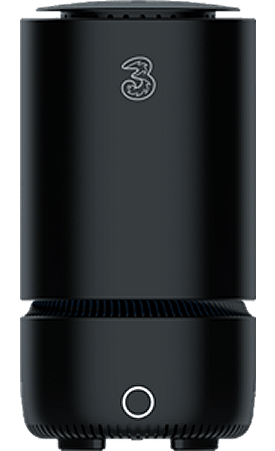
The Greenpacket E5-250MA is what Three will send you if you take out a Three 4G home broadband plan, but in fact this is also capable of 5G. It also appears to be what you'll get if you order the Vodafone 5G Hub, though Vodafone hasn't confirmed this.
It offers maximum download speeds of 3Gbps, maximum upload speeds of 250Mbps, and it can get up to 64 devices online. It also supports Wi-Fi 6, both 2.4GHz and 5GHz bands, and it has two Ethernet ports.



TP Link 5G NX200 v1
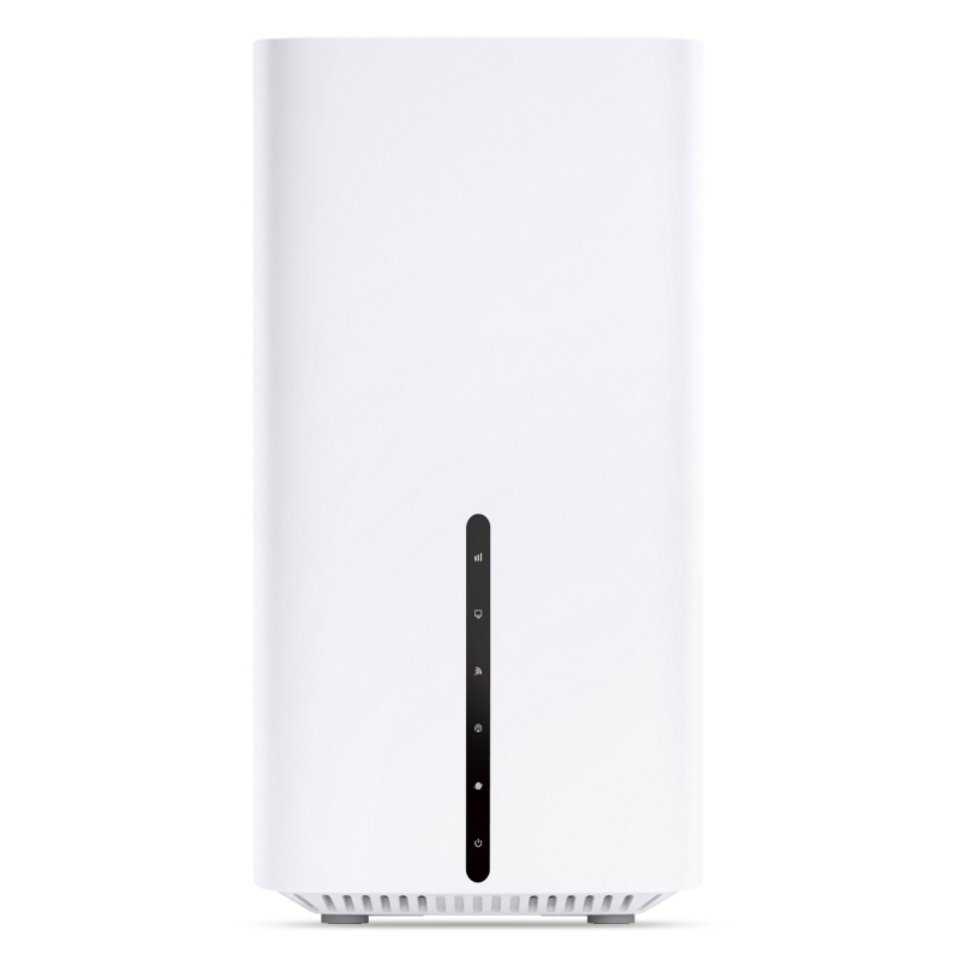
The TP Link 5G NX200 v1 is the router you’ll get if you sign up with National Broadband, though this company simply calls it the ‘5G WiFi Router’.
National Broadband – if you don’t know – sells 5G home broadband plans, so you get the router plus unlimited data for a monthly price, and it will provide signal using the best network in your area.
As for the TP Link 5G NX200 v1 itself, this is similar to rival devices in that it can get up to 64 gadgets online, as well as supporting external antennas, having Ethernet ports, and offering both 2.4GHz and 5GHz Wi-Fi. Download speeds top out at 4,670Mbps, which is higher than you’ll get on current 5G networks.

.png)
What about 4G routers?
If you have 5G coverage at home, then we’d always recommend a 5G router over a 4G one. They don’t necessarily cost much more, and they offer far greater speeds. But if 5G isn’t available in your home then there are plenty of 4G home broadband routers to consider too, including some from Three, EE, and National Broadband.
Check out our full best 4G routers guide for more information on these options.